Esmaabi teel: mis peab olema sinu istme all

Kolm suve tagasi olin Kuramaa säärel kell 2 öösel, sõites Nidast tagasi Klaipėdasse KTM 690 Enduroga. Täpselt külmal lõigul Šventoji juures kuulsin seda — tagumine rehv hakkas tühjaks jooksma. Tulede valguses nägin päevalilleseemne koort. Läbi tuletikukarbi klaasi. Kuramaa säär — kaks teed, kolm tanklat, Klaipėdasse 60 km, Nidasse 35.
Istme all oli mul 30 € investeering: rehviparanduskomplekt ja väike 12 V pump. Kaheksateist minutit. Hommikul sõitsin edasi, nagu poleks midagi juhtunud.
Sellest see artikkel räägibki. Mitte sellest, kuidas kõike töökojas parandada. Vaid sellest, mis peab olema mootorrattal, et sa ei oleks sõitja, kes karjub abi järele Šakiai Tilžės tänava ääres kell 3 öösel.
1. Rehviparanduskomplekt
Kõige olulisem asi. Väikseim, kergeim, kõige sagedamini kasulik. Komplekt sisaldab:
- Kolme-nelja kummist tropi ("worm")
- Sisestamistööriista (T-kujuline käepide pilulise otsaga)
- Puuriotsakut (juhuks, kui auk on liiga väike)
- Liimitoru (mõnikord komplektis kaasas)
Parimad valikud — Stop & Go või Dynaplug. Stop & Go on lihtne ja odav (umbes 25 €); Dynaplug on elegantne, ühe käega kasutatav, kallim (umbes 60 €), kuid kasutab metall-kummi hübriide, mis peavad kõige kauem vastu.
Protseduur: leia auk (lihtne viis — vala pudelist vett ja jälgi, kust mullid tulevad), tõmba nael või kruvi välja. Tropp tööriista otsa, suru see tööriistaga auku, tõmba tööriist tagasi, tropp jääb sisse. Kolm minutit, kui oled seda korra teinud.
MÄRKUS: see ei ole püsiv lahendus. Trobiga rehv on viis koju jõudmiseks. Pärast seda tuleb rehv vahetada või lasta see professionaalselt seestpoolt vulkaniseerida.
2. Minipump
Tropp ilma pumbata on pool lahendust. Sõrmega rehvi täis ei pumpa. Variandid:
- 12 V elektriline kompressor — Slime, Michelin, Ring. Ühendub lisapesasse või otse aku klemmidesse. 25-50 €. Jõuab 2,5 baarini 5-7 minutiga.
- CO2 padrunid — kompaktsed, koheselt toimivad, ühekordsed. Kolm padrunit 8 € eest pumpavad rehvi 2 baarini ühe korra. Hea varuvariant, mitte peamine.
- Käsipump — nagu jalgrattapump. Raskem, aeglasem, kuid ei lähe kunagi katki ega vaja akut. 15 €.
Meie valik matkakomplektidele — 12 V kompressor peamisena, kaks CO2 padrunit varuna. Kogu komplekt mahub moosipurgi suurusesse.
3. Kaitsmekomplekt — jah, tõesti
Seda unustatakse tihti. Klaipėda maanteel Kelmė ja Šiauliai vahel, keset talvist nädalavahetust, käivitas meie klient oma Yamaha XT660 ja märkas, et tulesid pole. Peakaitse läbi põlenud. See, mis on istme all koos teistega. Kuid teise nimiväärtusega. Millega asendada? Ilma kaitsmeta on mootorratas sellises külmas kell 2 öösel — see on probleem.
Meie soovitus: komplekt kõige levinumate kaitsmete nimiväärtustega:
- 10 A (mini ja standard) — peavalgustus
- 15 A — süüde, kütusepump
- 20 A — suure koormusega tarbijad (ABS, ECU)
- 30 A — pea (sisenev liin)
"ATO" (standard) ja "Mini" kombinatsioon, 5 kummagi, maksab umbes 4-5 €. Kotikeses istme all. Ja tea täpselt, kus on sinu mootorratta peakaitse — pildista see kohe ära.
4. Multitööriist — hea, mitte odav
Multitööriist peab tegema kolme asja: haaramist/keeramist (tangid), väikeste kinnituste keeramist ja mõningast lõikamist (võid vajada juhtme paljastamist või pistiku kärpimist).
Meie soovitus — Leatherman Wave+ või Wingman. Odavad pole (60-100 €), aga ei lähe katki. Väiksem alternatiiv — Gerber Suspension NXT (40 €), odavam, aga ikkagi töötab.
ÄRA KUNAGI osta AliExpressist multitööriista 8 euro eest. See läheb katki esimesel korral, mil seda tõesti vajad. Meil oli sõitja, kes üritas keerata polti Vilniuse lähedal Hiina-Amazoni erilahendusega — otsakupea kukkus 50 cm sügavusse kraavi. Päris tööriistadeni oli 30 km jalgsi.
5. Kaablisidemed — täpselt seal, kus sa iial ei ootaks
Stsenaarium: voolikuklamber laseb lahti. Jahutusvedeliku voolik, pole vahet, milline. Voolik ripub lõdvalt, ei istu õigel kohal, vedelik hakkab lekkima. Töökotta — 40 km. Hakkad paanitsema.
Või: tõmbad välja koti kaablisidemetega (mõned suured, mõned väikesed, mustad), seod kõik oma kohale ja sõidad edasi. Maksab 2 € kahekümne tüki eest. Säästab abikõne hinnaga 80-150 €.
Sama kehtib elektriteibi kohta — üks õhuke rull. Sea juhtmed kinni, isoleeri ühendused, hoia üleval katkine osa. Selline asi, mida keegi tahtlikult ei osta, kuid mis päästab päeva, kui seda vajad.
6. Poltide kotike — väikesed asjad, mis alati kaovad
Aasta jooksul kaotab mootorratas paratamatult mõne väikese poldi. Küljepaneelilt, ketikaitselt, õlivanni katte küljest. Tavaliselt märkad tühja keermeava alles siis, kui juba parklas seisad, soolase lombi kõrval.
Kotikeses peaks olema umbes:
- 5x M6 polti erinevas pikkuses
- 5x M8 polti
- 3x M10 polti
- Vastavad mutrid
- Lamedad ja vedruseibid
Maksab 5-7 €. Vahe selle ja 50-eurose abikõne vahel.
7. Lateksist kindad ja väike lapp
Paar lateksist kinnaid, üks väike mikrokiust lapp. Ükskõik, mida teed — õli lisad, rehvi trobid, ühendust kontrollid — käed saavad räpaseks. Kinnasteta läheb ülejäänud sõit halvasti (õli käepidemetel, lõpuks ka näol). Väike detail, suur mugavus.
Kogu nimekiri
Täielik hädaabikomplekt:
- Rehviparanduskomplekt — 25 €
- 12 V pump — 35 €
- Kaitsmekomplekt — 5 €
- Multitööriist (Leatherman Wingman) — 60 €
- Kaablisidemed + elektriteip — 4 €
- Poltide kotike — 6 €
- Kindad + lapp — 3 €
Kokku: umbes 138 €.
See on üks abikõne öösel Leedu kaugeimast nurgast. Vahe on selles, et nende asjadega lahendad 90% teeprobleemidest ise 15-30 minutiga. Ilma kõnedeta. Ilma ootamiseta. Ilma 60-eurose motelliöö.
Kõik see ühes kohas — meie tööriistaosakonnas. Säästab õhtu pärast esimest planeerimata peatust teel.
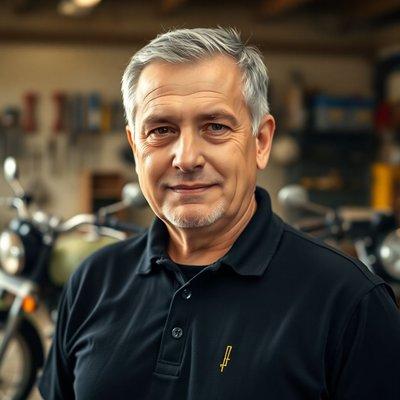
Autor
Kęstutis Jusmila
PeamehaanikUAB Jusmila asutaja. 30+ aastat kogemust mootorratastega ja ATV-dega. Alustas motokrossist 1990ndatel, täna vastutab kogu töökoja protsessi eest Šakiais.
Selle artikli teave on üldine. Oma konkreetse marki/mudeli ja mis tahes ebastandardse probleemi korral pöörduge alati sertifitseeritud mehaaniku poole.