Kütusefilter: 3 märki, et on aeg vahetada, enne kui mootor sureb

90% kõnedest "mootor ei tööta korralikult" osutub ummistunud kütusefiltriks. Mitte karburaator, mitte süüde, mitte ECU. Filter. Väike plastikust või metallist silinder, mis maksab 8 kuni 35 eurot ja otsustab, kas su mootorratas kiirendab nii nagu tehniline pass lubab, või logiseb üles isegi väikseimat küngast.
Häda on selles, et sümptomid näevad välja nagu tosin muud probleemi. Omanik alustab uutest süüteküünaldest, siis kontrollib pihusteid, puhastab droseliklappi, palub diagnostikaseadmega läbi vaadata. Ja siis selgub: filter oli kaks korda vanem, kui tootja ette näeb. Siin on kolm selget sümptomit, mis eristavad filtriprobleemi kõigest muust.
Märk 1: Mootor "kukub läbi" keskmise gaasi juures
See on peamine sümptom. Mitte täisgaas (pump suudab lühiajaliselt tippnõudlusega hakkama saada). Mitte kerge sõit (kütust on vaja peaaegu olematult). Vaid keskmine koormus — näiteks sõidad kiirteele, gaas 60-70%, ja tunned, kuidas mootorratas köhib. Nagu miski hoiaks seda tagasi.
Miks just keskmise koormuse juures? Sest filter laseb ikka veel läbi piisavalt kütust tavaliseks sõiduks, kuid kui nõudlus tõuseb, ei suuda see enam sammu pidada. Kütusepump ei suuda survet üles ehitada, kuna filter on kitsaskoht. Pihusti saab 2,5 baari 3,5 asemel, ECU üritab kompenseerida, hoides pihustit kauem avatuna, kuid sellest ikka ei piisa. Võimsus langeb.
Kodutest: täida paak, sõida 50 km, lase mootorratast 5 minutit tühikäigul töötada, seejärel sõida mäkke 60% gaasiga. Kui korduvad katsed annavad sama köhimise — see on filter.
Märk 2: Raske külmkäivitus
Kui mootor on külm, nõuab ECU rikkalikumat segu (rohkem kütust, vähem õhku), et kiiremini soojeneda. Ummistunud filter ei suuda seda lisanõudlust rahuldada — ja mootor krutib, krutib, krutib, kuni saab piisavalt. Sa istud seal 15 sekundit, aku hakkab andma alla, ja mõtled "see asi ei näe kevadet".
Külmkäivituse probleem näitab filtriprobleemi kolm korda selgemalt kui soe käivitus. Kui mootorratas vajab pärast ööpikkust seismist 4-5 sekundit krutimist — filter. Kui see süttib esimesest korrast pärast 12 tundi, kuid vajab 8 sekundit pärast -5 °C ööd — filter.
Lihtne viis nõrga aku välistamiseks: hääbuv aku krutib aeglaselt. Nälgiv filter — starter pöörleb normaalselt, aga mootor lihtsalt ei sütti.
Märk 3: Ebastabiilne tühikäik, "põksumine" madalatel pööretel
Kolmandat sümptomit aetakse kõige sagedamini segi elektriprobleemiga. Mootor töötab tühikäigul, ja pöörded hüplevad — 1100, 800, 1300. Tuled võivad virveldada. Tahhomeeter tõmbleb. Summuti "põksub" tühikäigul.
Seegi võib olla filter — kuid juba korralikult ummistunud filter. Kütuserõhk rambil kõigub, ECU üritab kompenseerida, lülitub "piiratud režiimi" — vähendatud võimsusega režiim. See ilmneb kõige tugevamalt tühikäigul, kus ECU on kõige tundlikum.
Test: ühenda kütuserõhu mõõtja (kui sul on diagnostika) või palu mehaanikul seda teha. KTM 250 SX-F normaalne rõhk on umbes 3,5 baari. Kui näitab 2,8 — filter on peamine kahtlusalune.
Vahetamine — samm-sammult
Vajad: uut filtrit, kahte tangi voolikuklambrite jaoks, puhast lappi, väikest kaussi kütuse jaoks, väikest ämbrit. Ohutus: ära tee seda kunagi suletud garaažis. Ava aken. Mitte mingit tuld kütuse lähedal.
- Lase süsteemi rõhk välja. Ühenda lahti kütusepumba relee (tavaliselt istme all) ja käivita mootor — lase sel seiskuda. See tõmbab kogu rõhu liinist välja. Ilma selle sammuta ühendad vooliku lahti ja saad näkku kütuse 3 baari all.
- Ühenda aku lahti. Miinus esimesena. Ohutus süttivas keskkonnas.
- Eemalda vana filter. Vaata oma mudeli spetsifikat — mõned asuvad paagi all, mõned on integreeritud kütusepumba moodulisse (levinud KTM-il ja Husqvarnal). Klambrid hoiavad voolikuid — pigista ja tõmba.
- Märgi voolusuund. Uuel filtril on nool "FUEL" või "→". Veendu, et see osutab mootori suunas, mitte tagasi paagi poole.
- Paigalda uus filter, veendu, et klambrid tihendavad. Asenda ühekordsed plastikklambrid uutega.
- Ühenda aku tagasi, taasta relee. Käivita. Esimesed 5 sekundit köhib mootor, kuna süsteem täidab liini. See on normaalne.
- Kontrolli lekkeid. Vaata üle iga liitekoht pärast 5-minutilist töötamist. Kui näed kütust — peata, tee ühendus uuesti.
OEM või aftermarket?
Aus vastus töökojast. OEM — tootja originaal, 2-3× kallim, kuid kestab 2-3× kauem. Kvaliteet on garanteeritud, ilma rulettita. Kasutame OEM-i KTM-il, Yamahal, Hondal, Polarisel.
Aftermarket (Mahle, Hiflo, Champion) — sobib, kui tead, et mootorratas ei pea igavesti vastu. Hiflo HF-145 (KTM) või HF-153 (Ducati) — tõestatud tooted, kasutame neid rutiinsetel hooldustöödel. Kui klient valib aftermarket'i, ütleme, et oodata võib 1-2 hooaega, mitte 4-5.
Kus tuleb ettevaatlik olla: odavad brändita eBay filtrid. Sa ei tea, millise mikronsuurusega osakesi need filtreerivad. Need võivad lasta läbi piisavalt suuri osakesi, et rikkuda su pihustid. Pihustid maksavad 200 € tükk. Filter maksab 25 €. Arvuta ise.
Kõik populaarsed mudelid meie laos: kütusesüsteem. Kui pole kindel, milline filter sobib sinu mootorrattale, helista meile — otsime selle VIN-koodi järgi üles.
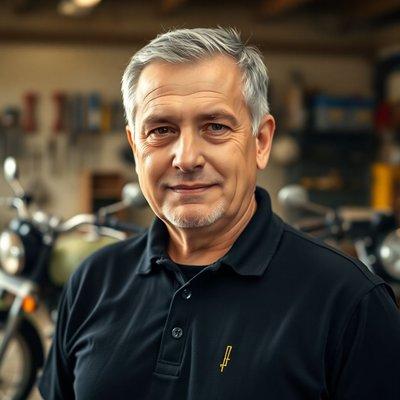
Autor
Kęstutis Jusmila
PeamehaanikUAB Jusmila asutaja. 30+ aastat kogemust mootorratastega ja ATV-dega. Alustas motokrossist 1990ndatel, täna vastutab kogu töökoja protsessi eest Šakiais.
Selle artikli teave on üldine. Oma konkreetse marki/mudeli ja mis tahes ebastandardse probleemi korral pöörduge alati sertifitseeritud mehaaniku poole.