Talveks valmistumine: 5 osa, mida tasub vahetada enne esimest pakast

Leedu talv hävitab mootorrattaid. Mitte külma enda pärast — mootorid töötavad hästi ka miinus kahekümne kraadi juures — vaid seetõttu, et need seisavad pool aastat tähelepanuta. Niiskus kondenseerub paagi sisse, aku tühjeneb nullini, kett roostetab kinni, pidurivedelik muutub mustaks nagu kohv. Kevad saabub, sõitja vaatab oma rauda ja küsib "miks see ei käivitu?". Vastus on lihtne — keegi ei valmistanud seda talveuneks ette.
18 aasta jooksul oma töökoja pidamisel Šakiais oleme näinud iga aasta sama stsenaariumi. Märtsi lõpus sõidab sisse mees Yamaha YZF-i või Polaris Sportsmaniga, aku surnud, kütus lõhnab nagu lakk, kett venitatud piirini. Ta ütleb "see seisis garaažis". Jah — seisis. Aga keegi ei teinud sellega midagi.
Siin on viis osa, millega tasub tegeleda kohe, kuni ilm veel lubab paljakäsi töötada.
1. Kett — puhasta, määri või vaheta
Kett on esimene, mis kannatab talvise niiskuse käes. Soolajäägid viimastest sõitudest, vana määre, millesse on kogunenud tänavamuda, õhust kondenseeruv niiskus — kõik see muutub kuue kuu jooksul roostekoorikuks. Kui kevadel käivitad, on ketil jäigad lülid, kinni kiilunud rullikud, ja see üritab hammasratta hambaid maha närida.
Protseduur on lihtne:
- Tõsta tagaratas keskseisaku või paddock-tõstuki peale.
- Leota ketti korraliku ketipuhastiga (Motul Chain Clean või S100), lase 2-3 minutit mõjuda.
- Kasuta kolmepoolset ketiharja (umbes 12 €), et puhastada kõik vahed.
- Pühi lapiga, lase õhu käes kuivada.
- Kanna peale ketimääre — ainult ketimääre, mitte WD-40 ega mootoriõli. Aerosool Motul C2+, Castrol Chain Lube või Putoline DX-11.
Kui kett on juba venitatud — regulaator on lõpuni väljas ja ikka lõtv — siis ei ole tegemist enam hooldusega, vaid vahetamisega. Koos hammasratastega. Ära kunagi vaheta ainult ketti; vanad hambad söövad uue keti läbi 1500 km jooksul.
2. Pidurivedelik — talv on selleks ideaalne aeg
Millest peaaegu keegi ei räägi: pidurivedelik imab õhust niiskust. DOT 4 on hügroskoopne. Kahe aasta pärast on selles 3-4% vett. Vahe? Vesi keeb 100 °C juures, aga vedelik peab keema alles 230 °C juures. Kui pidurdad tugevalt Žemaitija küngast alla sõites, keevad kaliibris vee mullid — ja äkki jõuab hoob raami külge ning pidureid ei ole. Seda nimetatakse "vapor lock'iks".
Talv on aeg, mil mootorratas seisab ja keegi sind ei kiirusta. Ideaalne aeg täielikuks õhutamiseks:
- Ava paagi kork, ime vana vedelik välja süstlaga.
- Täida värske DOT 4-ga (või DOT 5.1, kui tootja lubab — mitte kunagi DOT 5, see on silikoonipõhine ja rikub tihendid).
- Ava õhutusnippel kaliibri juures, vajuta hooba, sulge nippel. Korda, kuni väljub selge kollane vedelik.
- Tee esi- ja tagaosa eraldi. Ära kunagi jäta paaki avatuks — niiskus tungib sisse.
Vaja on kätt ja õhutusnippli võtit. Võtab aega 30 minutit. Pärast seda töötavad pidurid nii nagu peavad ja ei löö sind esimese märja tee peal.
3. Aku — ilma laadijata see sureb
See on lihtsam, kuid 80% sõitjatest ignoreerib seda. Kaasaegsetel mootorratastel on pidev "vampiirkoormus" — kell, ECU mälu säilitamine, häiresüsteem. 5 kuu jooksul langeb aku 12,8 V-lt 11,2 V-le või madalamale. Ja alla 11,2 V algab sulfateerumine — pliiplaatidele tekivad kristallid, mida tavaline laadija ei suuda enam eemaldada.
Lahendus: desulfateerimisvõimeline nutikas laadija-säilitaja. CTEK MXS 5.0, Optimate 4 või samaväärne. Maksab 75-90 €. Kinnita kaks klemmi, ühenda vooluvõrku ja unusta kuni märtsini. Laadija lülitub ise laadimisetappide vahel, ei ülelae ega keeda üle.
Kui aku on juba vana (üle 4 aasta), ära raiska raha — osta uus AGM-tüüpi aku. Polaris RZR 1000 vajab YTX24HL-BS-i või samaväärset, KTM 250 SX-F-ile sobib tavaliselt väiksem YTZ7S. Kontrolli oma mudeli käsiraamatust või otsi VIN-koodi järgi meie Jusmila.lt kataloogist.
4. Rehvid — rõhk ja segu
Kui mootorratas seisab viis kuud samadel rehvidel, juhtub kaks asja:
- Rõhk langeb — umbes 0,1-0,15 baari kuus isegi ilma auguta. Poolteist baari üle talve. Rehv deformeerub ühes asendis olles — tekib "flat spot".
- Kumm kõveneb — UV-d ei ole, õhk külm, plastifikaatorid auravad välja. Esimesel sõidul tundub rehv nagu plastikust, kuni see soojeneb.
Töökoja nõuanne: tõsta mootorratas mõlema tugijala peale, et rattad põrandat ei puutuks. Tõsta rõhk 2,5-3 baarini — see kaitseb deformatsiooni eest. Kui sõidad talvel (mõned teevad seda ATV-ga), vaheta külmakindla kummi vastu. Maxxis Bighorn, ITP Holeshot ATR ATV-le lumes ja mudas. Mootorrattale tõsiselt külma ilma jaoks — Heidenau K60 Scout või Pirelli MT 60 RS, kui oled tõesti otsustanud.
5. Kütusestabilisaator — lihtsaim samm, mille kõik vahele jätavad
Kaasaegne Leedu bensiin 10% etanoolisisaldusega (E10) hakkab kolme-nelja kuu pärast eralduma. Etanool tõmbab õhust niiskust läbi paagi ventilatsiooniava sisse, ja kütus ise oksüdeerub kleepuvaks lakiks. Kevad tuleb, avad karburaatori (kui sul selline veel on) — ja leiad pihustitest pruuni, liimikonsistentsiga sette. Süstepihustiga mootorrattal — pihustid ummistunud, ja sa mõtled "miks mu masin jõuab tippkiiruseni 80 km/h, mitte 180".
Lahendus on lihtne:
- Täida paak täis (täis = vähem õhku = vähem niiskust).
- Lisa kütusestabilisaator: STA-BIL Motorcycle, Liqui Moly Fuel Stabilizer või Motul Fuel System Clean. Doseeri etiketi järgi — tavaliselt 30 ml 30 l kütuse kohta.
- Lase mootoril töötada 5-10 minutit, et stabilisaator jõuaks karburaatorisse/pihustitesse ja kütuseliini.
- Lülita välja. Valmis.
Kui tead, et masin ei liigu 6+ kuud, veelgi parem — tühjenda karburaatori ujukikamber. Selle põhjas on tühjendusvõti, ava see ja lase kütusel välja voolata. Süstepihustiga mootorratastel pole seda vaja — süsteem on surve all suletud.
Viimane 10-minutiline ülevaatus
Enne garaažiukse sulgemist tee kiire ring:
- Lisa mootoriõli, kui seda on vähe (ära vaheta seda praegu — tee seda kevadel enne esimest sõitu).
- Pihusta WD-40 või ACF-50 raami ümber — kroomitud osad, poldipead, pistikud.
- Kata mootorratas hingava kattega, mitte plastikkotiga — plastik hoiab niiskust sees.
- Pane mootorratta alla paberrätikud — nii märkad talve jooksul kõiki lekkeid.
Märtsi keskel, kui esimene päike ületab +10 °C, saad tasu: käivitumine esimesest korrast, pidurid ilma vapor lock'ita, vaikne kett, ja sõidusesoon, mis algab sõitmisest — mitte remondist.
Kõik see on laos meie Šakiai laos: talvehoolduse tooted. Kättesaamine samal päeval, kui tellid enne kella 16:00.
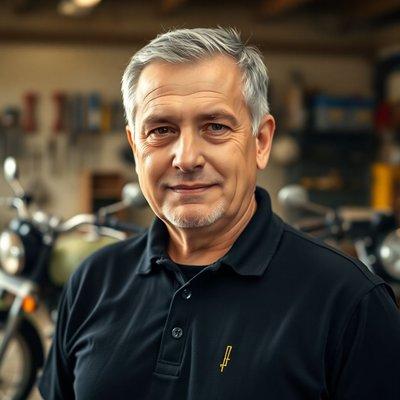
Autor
Kęstutis Jusmila
PeamehaanikUAB Jusmila asutaja. 30+ aastat kogemust mootorratastega ja ATV-dega. Alustas motokrossist 1990ndatel, täna vastutab kogu töökoja protsessi eest Šakiais.
Selle artikli teave on üldine. Oma konkreetse marki/mudeli ja mis tahes ebastandardse probleemi korral pöörduge alati sertifitseeritud mehaaniku poole.